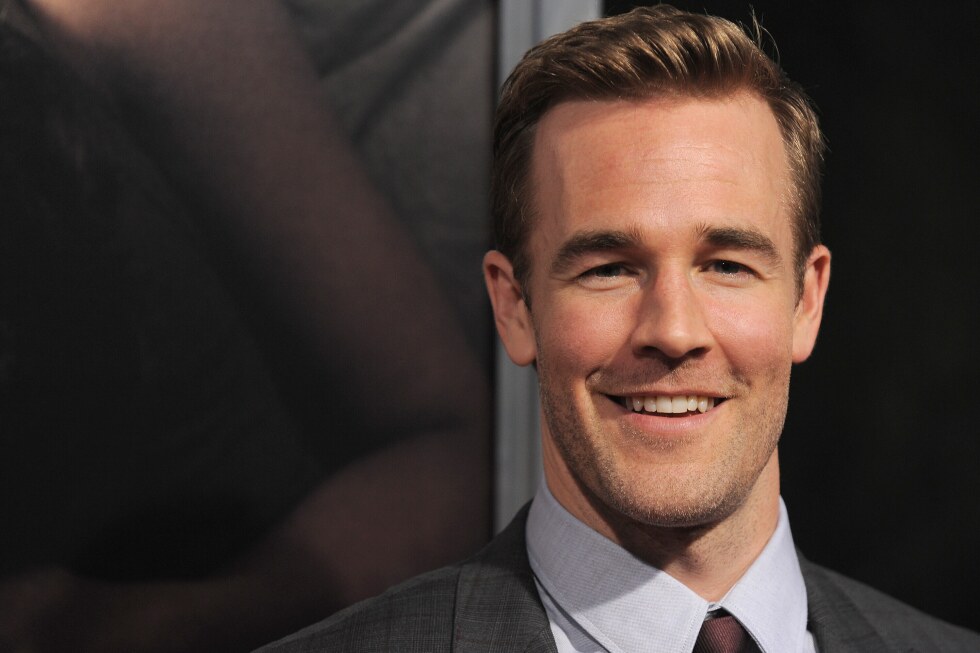
James Van Der Beek's Colon Cancer: A Stark Warning for Young Adults
The world recently mourned the passing of a beloved figure, James Van Der Beek, at the age of 48. Best known for his iconic role as Dawson Leery in the hit 90s television series, “Dawson's Creek,” Van Der Beek’s death has resonated deeply with fans and the general public alike. While his talent and memory will forever be cherished, the circumstances surrounding
James Van Der Beek's death from colorectal cancer serve as an urgent and profound warning, particularly for young adults.
For many, the mention of colon cancer conjures images of an older demographic. However, the tragic news of James Van Der Beek's passing underscores a disturbing and growing trend: colorectal cancer is increasingly affecting younger individuals, often with devastating consequences. His private battle, which he bravely announced in 2024, culminated in a peaceful passing, as shared by his grieving family. But his journey, tragically cut short, has thrown a spotlight on a critical health crisis that demands immediate attention and awareness.
The Shocking Truth: James Van Der Beek's Battle with Colorectal Cancer
James Van Der Beek, a man whose career began defining a generation's coming-of-age, was just 48 years old when he succumbed to colorectal cancer. His family announced his peaceful departure, stating, "Our beloved James David Van Der Beek passed peacefully this morning. He met his final days with courage, faith, and grace." While the specifics of his diagnosis timeline were largely kept private, he did reveal in 2024 that he was actively "taking steps to resolve it." This quiet determination in the face of a formidable disease highlights the personal and often isolating journey many cancer patients endure.
The news of James Van Der Beek's death, though sorrowful, has inadvertently become a crucial public health announcement. It serves as a potent reminder that cancer does not discriminate by age or fame. For someone seemingly vibrant and relatively young to be diagnosed with and ultimately lose their life to colorectal cancer is a stark awakening for many who might otherwise dismiss symptoms or delay screenings. The shock factor associated with such a visible figure facing this disease at 48 helps to pierce through the complacency that often surrounds health issues perceived as affecting only older populations. His courageous fight and eventual peaceful end to his
James Van Der Beek's colorectal cancer journey now illuminate the path for greater awareness and proactive health measures.
The Alarming Rise of Colon Cancer in Young Adults
James Van Der Beek's case is not an isolated incident; it's a prominent example of a troubling epidemiological shift. Over the past few decades, rates of colorectal cancer among adults under the age of 50 have been steadily increasing. Studies show a significant rise, with some data indicating that diagnoses in people under 50 have doubled since the 1990s. This isn't just a statistical blip; it's a trend that has prompted major medical organizations to lower the recommended age for initial colon cancer screening from 50 to 45 for individuals of average risk.
Why this alarming rise? While the exact causes are still under intense investigation, a confluence of factors is believed to be at play:
- Dietary Habits: The modern Western diet, often characterized by high consumption of red and processed meats, low fiber intake, and an abundance of sugary drinks and refined grains, is a suspected culprit.
- Sedentary Lifestyles: Increased screen time and reduced physical activity contribute to obesity, a known risk factor for various cancers, including colorectal cancer.
- Obesity Epidemic: Rising rates of obesity in younger populations are strongly correlated with an increased risk of early-onset colorectal cancer.
- Alcohol Consumption and Smoking: These well-established cancer risk factors continue to contribute to disease development across all age groups.
- Genetics and Family History: While a smaller percentage, some younger diagnoses are linked to hereditary syndromes (e.g., Lynch syndrome, Familial Adenomatous Polyposis) or a strong family history of the disease.
- Microbiome Changes: Emerging research explores how changes in gut bacteria (microbiome) due to diet and lifestyle might contribute to cancer development.
One of the most concerning aspects of early-onset colorectal cancer is that it is often diagnosed at later, more advanced stages. This can be attributed to several factors: healthcare providers, accustomed to seeing the disease in older patients, may initially misdiagnose symptoms as less serious conditions like irritable bowel syndrome (IBS), hemorrhoids, or dietary issues. Furthermore, younger patients themselves may dismiss symptoms, delaying seeking medical attention because they believe they are "too young" for such a serious illness. This delay in diagnosis significantly impacts treatment outcomes and survival rates.
Recognizing the Red Flags: Symptoms You Can't Ignore
The key to improving outcomes for colorectal cancer, especially in younger individuals, is early detection. This hinges on awareness of symptoms and a willingness to act on them. It’s crucial to understand that these signs, while sometimes subtle, should never be ignored, regardless of your age.
Here are the critical symptoms of colorectal cancer that warrant immediate medical attention:
- Changes in Bowel Habits: This could include persistent diarrhea or constipation, or a change in the consistency of your stool (e.g., stools that are narrower than usual). If these changes last for more than a few days, it's a red flag.
- Rectal Bleeding or Blood in Your Stool: This is perhaps the most significant warning sign. While often attributed to hemorrhoids, bright red blood on toilet paper or in the toilet bowl, or dark, tarry stools (indicating blood higher up in the colon) should *always* be investigated by a doctor. Never assume it's just hemorrhoids, especially if it's persistent or accompanied by other symptoms.
- Persistent Abdominal Discomfort: This can manifest as cramps, gas, or pain that doesn't go away. While many benign conditions can cause abdominal pain, persistent or worsening discomfort requires evaluation.
- A Feeling That Your Bowel Doesn't Empty Completely: Experiencing tenesmus, the sensation of needing to pass stool even after a bowel movement, can be a symptom.
- Unexplained Weight Loss: Losing weight without trying can be a sign of various underlying health issues, including cancer, and should always be discussed with a healthcare provider.
- Fatigue or Weakness: This can be a symptom of iron-deficiency anemia, which often results from chronic blood loss from a colon tumor.
If you experience any of these symptoms, particularly if they are persistent, severe, or occur in combination, do not hesitate to speak with your doctor. Advocate for yourself if you feel your concerns are being dismissed due to your age.
Proactive Steps: Prevention and Early Detection Are Key
While the
Vander James death from colorectal cancer is a somber reminder, it also empowers us to take control of our health. Here’s how young adults can be proactive in preventing and detecting colorectal cancer:
Lifestyle Modifications:
- Embrace a Fiber-Rich Diet: Increase your intake of fruits, vegetables, and whole grains. Fiber helps move waste through the colon and may reduce cancer risk.
- Limit Red and Processed Meats: Reduce consumption of beef, pork, lamb, and processed meats like bacon, sausage, and hot dogs, as they are linked to increased risk.
- Maintain a Healthy Weight: Achieve and maintain a healthy body mass index (BMI) through diet and exercise.
- Stay Active: Engage in at least 30 minutes of moderate-intensity exercise most days of the week.
- Moderate Alcohol Intake: If you drink alcohol, do so in moderation (up to one drink per day for women, two for men).
- Quit Smoking: Smoking is a significant risk factor for many cancers, including colorectal.
Be Aware of Your Family History:
Knowing your family's medical history is crucial. If you have a first-degree relative (parent, sibling, or child) who had colorectal cancer or polyps, your risk may be higher, and you may need earlier screening. Discuss this with your doctor.
Don't Delay Seeking Medical Advice:
If you experience any persistent or concerning symptoms, no matter how minor they seem, make an appointment with your doctor. Be specific about your symptoms, how long they've lasted, and any changes you've observed. If you're not satisfied with the initial diagnosis, don't be afraid to seek a second opinion or ask for further investigations.
Understand Screening Guidelines:
While routine screening typically begins at age 45 for individuals of average risk, those with a family history or persistent symptoms may need to start earlier. Screening methods include colonoscopy (the most thorough, allowing for polyp removal), stool-based tests (like FIT or Cologuard), and flexible sigmoidoscopy. Discuss with your doctor which screening option is right for you based on your risk factors.
Conclusion
The profound loss of James Van Der Beek serves as a poignant reminder that colorectal cancer is a disease that spares no age. His battle, and ultimately the news of James Van Der Beek's death, should galvanize young adults to be more vigilant about their health. By understanding the risk factors, recognizing the warning signs, and taking proactive steps through lifestyle choices and timely screenings, we can collectively work towards turning this tragic trend around. Your health is your most valuable asset – listen to your body, advocate for yourself, and never underestimate the power of early detection.